5 Ideas for Early Finishers

Sometimes, it feels as if you have only just handed out an activity when a student comes up and proudly says ‘I’ve FINISHED!’ before throwing the sheet on your desk. How is it that, no matter how long you think a task will take, there will ALWAYS be at least one kid who finishes way earlier than the others. This is where early finisher activities come in. Having stations set up in your room or bringing activities with you to classes can save you having to think up what to do on the spot when this inevitably happens.

I have clearly set expectations about what is expected of early finishers in my room so that, when students do finish early, they can head over and choose an activity (with my permission), and they know what to do.

I am not very keen on students using iPads or other devices unsupervised in my classes without a very specific purpose as I have noticed that students will very quickly move into inappropriate use of the device (especially if they think it is ‘free time’!). Therefore, my early finisher activities are all 100% device free. Many of my suggested activities are also very much ‘DIY-able’ and don’t require monetary investment (unless you choose to purchase resources specifically).

So, here are some of my ideas for early finishers. Links to some resources specific to Japanese teaching are posted on my resources page under ‘early finisher activities’.

1. Word puzzles

Having a good bank of different word puzzles like word searches and crosswords in a folder is an excellent early finisher idea. Students can choose independently which one to complete. They can be on a range of topics, they can be specific to the topic you are teaching, or they can be more general or cultural themed. Just browsing through Teachers Pay Teachers, there are hundreds of free word game resources already created.

Further to traditional word puzzles, ‘shiritori‘ is a popular one in Japan that relies on two or more students. This one is good for children who have a decent vocabulary so maybe higher than primary. Shiritori is a game where one person says a word, and then the next person has to say a word starting with the last hiragana of the previous word.

There is a well known Japanese children’s song example:

   ねこ (kobuta, Tanuki, kitsune, neko – piglet, racoon dog, fox, cat)

Of course, it goes without saying that this game could be adapted to almost any language where multiple letters and sounds make up words. If you were to play this game in a Spanish class, for example, students would say a word (mañana) and then the next child would take the last letter of the word and say their next work (Amarillo) and so on.

As an early finisher activity, this can be played verbally in pairs or small groups or the words can be written on a piece of paper or mini whiteboards if you require students to work quietly when they finish their task.

2. Reading picture books (with purpose or simply for enjoyment)

Reading is always a good thing. We want to encourage our students to read as much as possible. Having beautiful picture books in your classroom can entice students into reading and looking at the pictures. How do we read with purpose, though? I have a little library of lovely picture story books in my classroom that students know they can take when they are finished (again, with my permission) and find a quiet spot in the room to sit and read. I also have a little card of challenges for each book. As my books are all in Japanese and aimed at children, they all contain hiragana and simple words.

A challenge card inside a book might be as simple as ‘count how many times you find the hiragana し (shi) in this book’. It could be a little trickier ‘find out the words for all of the fruits mentioned in the story’ or ‘find the adjectives’, or ‘what do you think the word ____ means after reading the book and looking at the pictures?’. Having simple question cards hidden inside your books gives students something extra to think about as they are flipping the pages.

Of course, it is also completely fine for students to just read and enjoy the book without any questions or added challenges.

For more information on how I use books in my classes and some of my favourite books, see my top 9 books every Japanese teacher should have in their library and Adventures in language learning through picture books.

3. Educational games

Having an educational games station in a corner of your classroom that students can play either solo or in pairs/small groups depending on how many early finishers you have can be a really valuable tool for keeping students engaged with the target language when they finish early.

  • I have a range of board games that I have printed out and laminated (with instructions) so that students can independently play games individually, in a pair or small group if they finish early. This page for Japanese teachers has a number of board games and blank templates that are easy to adapt to any topic! Teachers Pay Teachers again also has many resources in this category, many of them free.
  • It is important to make sure that all the materials, including dice and the instructions for games are ready to go and clearly labeled for students so that they don’t have to come and ask you for help which leaves you to assist other students who are still working on the task.

4. Tactile activities

Another little station I have set up in my classroom is a spot for tactile activities such as play dough and collage making. Students use one or more of the following to create single hiragana characters, whole words, or kanji:

  • play dough
  • building blocks/lego
  • pipe cleaners
  • ripped pieces of paper
  • scratch paper

Many students, particularly younger ones love anything tactile that they can make and feel with their hands. It is a quiet, individual activity that doesn’t require any explanation. Students simply know that they can use the manipulative of their choice to create! If they are doing a collage, it is always a good idea to provide a pair or two of scissors and a couple of glue sticks as well as backing paper in case they want to actually stick down their designs. For this, I use pieces of ‘rejected’ origami paper from other activities where a student attempted to make something and it didn’t turn out or torn pieces or patterned paper from other displays.

Scratch paper I purchase on eBay in packs of 50 for about $12AUD. This is economically viable for me as my class sizes are small but I don’t always have the scratch paper out and tend to save it for more ‘special’ occasions rather than just having it in the classroom all the time.

  • It is a good idea to have near this station a list of target hiragana/kanji, words and vocabulary specific to particular topics so that students can independently work out what to create without coming to ask for help.

***If you use play dough, make sure that students have a mat (I just laminate a piece of A3 paper) so that it doesn’t go all over the tables or floor. I try really hard to ensure that activities in my classroom don’t cause a mess as I don’t have time to clean up afterwards. However, if you had more time or space, or even an outdoor space you could have a sandbox, finger paints, 3D sand….

5. Seasons and Festivals

For each school term, I have a collection of activities relating to festivals and seasons in Japan. This can be adapted for any language or culture. Japan is a culture rich with festivals and seasonal activities and traditions. For Japanese teachers, finding activities on Teachers Pay Teachers and Japanese Teaching Ideas is easy and resources are plentiful. I encourage teachers to check out these pages and create a bank of activities organised into terms so that you can just have one folder ready to go during each term with relevant activities and resources.

*I try to keep these as independent as possible so that students don’t have to ask for help, so keep that in mind when you are looking.

to end…

I hope that this has given you some ideas on early finisher activities for your students. If you have any more ideas, feel free to share them below or reach out to me on socials.

Here are some of the best places to find resources for early finisher activities:

Language Learning Adventures with Picture Story Books

A great misconception in education is that picture books are exclusively for young children. This is simply not the case and picture books (rich literature) can be incorporated into lessons at any stage of a student’s school life depending on their use. In this blog post, I will explore the merits of using picture books for teaching and learning languages. I have also provided some examples of activities that can be incorporated into language lessons to maximise the effectiveness of picture books.

  1. Visual Appeal and Contextual Understanding:
    Picture books provide visually captivating content that helps learners make connections between images and words. Visual cues aid comprehension and allow learners to grasp the meaning of words and phrases more easily. By incorporating pictures into language lessons, teachers create a rich context that enhances understanding and makes vocabulary acquisition more memorable.

Activity: Choose a picture book with vivid illustrations and ask students to describe or list what they see in the target language. Encourage them to use adjectives, prepositions, and verbs to develop their descriptive language skills. This can be tailored to any language level – single words, short phrases or more detailed sentences! The possibilities are vast.

  1. Cultural Insights and Contextualised Learning:
    Picture books offer an excellent opportunity to introduce learners to different cultures, customs, and traditions. By exploring diverse themes and settings depicted in picture books, students gain a deeper understanding of the language within its cultural context. This promotes cultural sensitivity and provides a holistic language learning experience.

Activity: Select picture books that showcase festivals, daily life, or traditional stories. Ask students to discuss the cultural elements portrayed in the book and compare them to their own cultural experiences. This activity encourages cultural exchange and promotes intercultural understanding.

  1. Vocabulary Expansion and Language Patterns:
    Picture books expose learners to a wide range of vocabulary, expressions, and sentence patterns. Through repetitive and engaging phrases, learners can take on new vocabulary in a meaningful and enjoyable way. The visual support provided by picture books enhances memory retention and facilitates the acquisition of new words and phrases.

Activity: Choose a picture book with a repetitive storyline and ask students to identify recurring phrases or expressions. Create vocabulary flashcards or a word wall with the words and encourage students to use them in their own sentences. This activity reinforces vocabulary learning and encourages creativity in language use.

  1. Reading and Listening Comprehension:
    Picture books can improve both reading and listening comprehension skills. Learners can follow along with the text while listening to the story, reinforcing their understanding of spoken language. The combination of text and illustrations helps students decipher the meaning of unfamiliar words and phrases, promoting independent reading and listening practice.

Activity: Play an audio recording of a picture book while displaying the text and illustrations on a screen. Encourage students to read along and follow the story. Afterward, engage them in a discussion about the book’s content, characters, and themes to assess their comprehension.

Incorporating picture books into languages classrooms provides numerous benefits for both teachers and learners. These engaging resources not only enhance vocabulary acquisition but also encourage cultural understanding, improve reading and listening comprehension, and promote creative language use. By incorporating picture books into lessons and units, teachers can create dynamic and interactive learning experiences that inspire and empower their students on their language learning journey.

For Japanese teachers, head to my previous blog post on the 9 books every Japanese teacher should have in their library.

So! You’ve read my post and are wondering….where do I buy picture books in Australia?

Languages International

Abbey’s

Continental Book Shop

The Language People

Global Language Book Shop

Kinokuniya

And all the obvious ones: Amazon, Booktopia, Book Depository, Dymocks…..

Engaging the Whole Class: The Power of Games in Languages Teaching

Games are an easy way to bring vibrancy and fun into your classroom. In this blog post we’ll explore the dynamic world of whole class games for languages lessons – an immersive, effective and engaging approach that brings vitality to the language learning experience.

In the ever changing landscape of education, we all know that fostering engagement is the key to unlocking the full potential of language learners. Whole class games with their interactive, social and collaborative nature have proven to be not only a diversion but an important tool for language acquisition and consolidation. I encourage every languages teacher to have a strong repertoire of games that can be played by the whole class. Once you have a number of games ready to go, you will transform your classroom into a vibrant hub of language exploration and growth.

Pac-Man

I’m not entirely sure where I came across this game or who originally shared it with me, but my students LOVE this game and beg for me to let them play it every single lesson without fail. It is a great way to consolidate target vocabulary and script like hiragana or kanji, or get kids speaking the target language. It can be played in many different ways – you can ask a question such as ‘what does x mean in English?’, ‘how do you say x in Japanese?’, you can hold up flashcards or pictures. Depending on their language levels, you can ask your questions completely in your target language and have them listening as well as speaking. The possibilities are vast!

Duration: 5 – 10 minutes

Who?: primary or secondary students

The rules:

  • Students stand around the classroom, spread out.
  • The teacher (or a student!) asks questions of the class. Students raise their hand to answer.
  • If a student gets an answer correct, they can take one giant step towards another student. If they are close enough, they can tap them, then that student is ‘out’.
  • If a student answers a question incorrectly, they are not out, they just don’t get another chance to answer that one question.
  • If students are getting restless, you can also do ghost rounds. A ghost round is when only the students who are out can answer the question as a way to get back into the game.

Evolution

Anyone who has been to the Japanese Language Teachers’ Association of Victoria’s annual conferences and seen Jan Chalmers speak will probably be familiar with this game. I first learnt this game through her – I’m not sure if it’s an original, but it sure is a classic that my students all love as well. It gets them speaking in Japanese a lot and, I join in and play the game as well as, apart from needing to know language, it also has an element of luck so not just ‘the best’ kids in the class always win!

Duration: 5 – 10 minutes

Who?: primary or secondary students

The rules:

  • There are 6 different levels: snake, chameleon, frog, kangaroo, gorilla and ninja. As a class, decide on a hand gesture for each level.
  • Hand out a picture card or a word card to students. For example, if my unit is on animals, I may hand out cards with pictures of the animals on them or with the word written in Japanese. Students need to know what is on their card and how to say it.
  • Practice as a class asking ‘what is that?’. Students will use this when they are playing the game.
  • Everybody starts off as a snake, and walks around the room making that hand gesture to show what level they are on.
  • Once you find another snake, chameleon, frog etc, you ask each other what is on the card (‘what is that?’). Once you have exchanged the questions and answers in the target language (e.g. ‘what is that?’ ‘it is a dog’, ‘what is that?’ ‘it is a cat’), students do Rock Paper Scissors. Whoever wins moves up to the next level on the chain (i.e. snake moves to chameleon), whoever loses goes back down a level (snakes stay as snakes). Students swap their cards and move on to find their next partner.
  • The aim is to get to ninja. If you are a ninja, you must fight another ninja in order to be the winner!

The Bus Game

Whilst the two previous games were very much individual games, this one is a team game. My students are very competitive when it comes to this game. This game works particularly well for script based languages like Japanese and Chinese. I believe from memory this game was introduced to me by a colleague at my previous school who was a wonderful educator of both primary and secondary students. She was always so enthusiastic and the students would get into this game no matter their age. She even had a song to go with it in Japanese but unfortunately I have forgotten it!

Duration: 10 – 15 minutes

Who?: primary or secondary students – particularly script based languages like Japanese or Chinese

The rules:

  • Divide the class into teams of about 5 – 6 students (maybe 2 – 3 teams depending on class size). Have them line up facing towards the whiteboard at the front of your class (all facing forward and sitting down).
  • Depending on how many teams there are, get mini whiteboards or pieces of paper and markers and hand them to the kids sitting right at the very end of each row.
  • On the big whiteboard at the front, write up some hiragana, kanji or Chinese characters. I normally start with about 8 characters to make it a bit challenging, but maybe with younger year levels start with a smaller amount.
  • The child at the very back of the line chooses a character, writes it on their mini white board and places the board behind them so that no other children from their team can see if they accidentally turn around (make sure they know – NO turning around and NO talking).
  • the child at the back, with their finger, traces the character they chose onto the back of the child in front of them. Each child then traces it on the back of the person in front of them, thus passing it down the line to the front. If a child wants the tracing repeated, they can show this by gesturing to the kid behind them with their hand.
  • Once the child at the front of the line is confident they know what the character is, they can stand up and head to the whiteboard and tap whichever one they believe it to be. We then check with the kid at the back of the line, If they were correct, they get a point. If not, the team doesn’t get a point.
  • The child who was at the front of the line, heads to the back and everyone shuffles forward and then we start again with a new front and back student!
  • The winning team is the team who finishes with the most points.

Simon Says

In my classroom, this game is known as ‘sensei says’ – of course the name can be adapted into any language! It is a fun way to reinforce commands, actions and verbs with our students in the target language. I often use a combination of ‘look’ (students point to their eyes), ‘listen’ (students cup behind their ears), ‘please sit’, ‘please stand’, ‘turn around’, ‘please be quiet’ (students make a shush sign with their finger against their lips).

Duration: 5 – 10 minutes

Who?: Primary ages students

Rules:

  • Whoever ‘sensei’ or ‘Simon’ is (whether it is you the teacher or a particular student), stands at the front of the class facing all students.
  • The ‘sensei’ gives an instruction or command starting with ‘sensei says…’. All students must do the action. If one gets it wrong, they have to sit down and are ‘out’ but can become sensei’s helper to make sure that sensei doesn’t miss anyone doing the wrong action.
  • If the ‘sensei’ does NOT say ‘sensei says…’ and instead says ‘sit down’ or another command, students do NOT complete the action! Instead they freeze. If a student accidentally does the action, they are out and become another helper.
  • The winner is the last student left standing.

5 Authentic Ways to Introduce a Topic

Sometimes as teachers it can be difficult to think of engaging ways to introduce new topics or Units of Inquiry, and it can be tempting to simply start teaching the content straight up. However, I believe that a successful start to any lesson lays the foundation for an exciting learning journey for our students. Here are five dynamic strategies to authentically introduce Japanese topics to your young learners:

1. Cultural Immersion through Storytelling: Introduce a new topic by weaving it into an intriguing story set in a country relating to the target language such as Japan. Whether it’s a folktale, a modern story, or a day in the life of a Japanese child, stories provide a window and insight into the culture, language, and daily experiences of Japanese people. Use visual aids like picture books, illustrations, or even short videos to enhance the narrative and immerse your students in the world of the topic. Encourage them to predict what might happen next and spark discussions about the cultural aspects presented in the story. I always enjoy comparing and contrasting between the lives of my students and what they are seeing presented in front of them.

2. Virtual Excursions: Take your students on a virtual journey to Japan right from your classroom. Use technology to explore famous landmarks, bustling markets, serene temples, and more. Share captivating videos and images that showcase the rich tapestry of Japanese life. Allow your students to virtually ‘walk’ through Japanese streets, listen to local sounds, and observe the everyday interactions of people. Prompt them to describe what they see and compare it to their own surroundings. Students LOVE using google street view to wander around the streets of Tokyo, Osaka, Kyoto etc. This is particularly excellent if you are learning about directions as you can give them a virtual treasure hunt to do in the target language.

3. Language through Interactive Games: Turn the introduction of a new topic into a playful language-learning experience. Utilise interactive games like bingo, matching games, or scavenger hunts to introduce relevant vocabulary and phrases. For example, if you’re introducing food, engage students in a virtual or real-life sushi-making activity where they learn names of ingredients in Japanese. Make sure the games are fun, age-appropriate, and encourage collaboration and healthy competition among students.

4. Guest Speakers and Videos: Bringing real-life experiences into the classroom can be incredibly impactful. Arrange for guest speakers, such as native Japanese speakers or individuals with strong connections to Japan, to share their stories, experiences, and insights. Alternatively, use videos to showcase authentic conversations between native speakers. This not only exposes students to accurate pronunciation and natural language use but also offers a genuine glimpse into the culture and daily life of Japanese speakers.

5. Cross-Curricular Connections: Integrate Japanese topics with other subjects to create a holistic learning experience. For instance, if you’re introducing traditional Japanese clothing, you can discuss the historical significance of kimonos in social studies, explore geometric patterns in math, or even delve into the science of textiles. This approach enhances students’ understanding of the topic from multiple angles and reinforces connections between different subjects.

I believe that the key to an authentic introduction is to make the topic relatable and relevant to your students’ lives. By using these creative strategies, you can spark their interest and curiosity, setting them up for a meaningful and engaging exploration of the target language and culture.

Classroom Management Strategies for P-2 Students

If you are coming from secondary setting and teaching primary for the first time, the lower primary classes can often seem quite intimidating. I personally love teaching primary, and the lower primary students offer the chance for playful and fun activities, songs, games, use of imagination, silliness and creativity. I have recently had a number of conversations with colleagues asking for tips when teaching this age group, which inspired me to write this post.

Be mindful of their energy levels: I like to remind myself that this age group of students have shorter attention spans and need to move around, a lot. Instead of expecting them to sit still, allow for regular breaks, shorter activities and movement opportunities to help them refocus and get the wriggles out. I try to do ten minutes on the floor and then give them an activity that has them moving around the room straight after. Half way through the lesson we may do a ‘brain break’ activity depending on how they’re going. 

Regroup when necessary: If I sense that the class is losing focus, gather them in the centre of the room to regroup and refocus their attention, using a song, game, or short activity. As soon as I feel control slipping away I stop whatever they’re doing and remind them of their responsibilities in the classroom. 

Use positive reinforcement: I try to mostly only acknowledge positive behaviors and accomplishments in the classroom, such as praising a student who is sitting quietly or a group that has packed up efficiently (and then watch them copy the student I called out!). I think this is true of most P-2 cohorts, they seem to respond particularly well to the positive reinforcement rather than constantly calling out negative behaviours. 

Monitor interactions and adjust seating: I am constantly keeping an eye on student interactions and being sure to be proactive in moving students if I notice negative behaviors or lack of focus. This helps prevent conflicts from escalating or arising in the first place and maintains a positive classroom atmosphere.

Implement a group reward system: Use a special toy or reward that multiple students can share, encouraging them to work together and support each other in maintaining positive behaviors. They also will be sure to police each others’ behaviour so that they get to share the reward so that I don’t have to. I have a Totoro toy that is a big hit in my P-2 classes and they all want Totoro to sit on their table! As soon as Totoro comes out, they are on their best behaviour,

Be prepared to throw your lesson out: some days you may have planned an amazing lesson and you’re really looking forward to teaching it BUT X comes into the room upset, A hits someone, D makes a bad choice and distracts those around them, Z pushes someone, Y starts crying…sometimes I just have to be prepared to only do one part of my planned lesson and change everything else depending on the mood and I have to be OK with being spontaneous. Pushing through and forcing my beautifully planned lesson always ends worse than if I change things up and improvise on days like this! 

Foster positive relationships: I think for me by far the best thing has been building strong, positive relationships with my P-2 students and maintaining a positive mindset about the cohort in general even if they can be tricky to manage at times. One of the ways that I do this as well is by encouraging positive behaviors by acknowledging them in front of the whole class and addressing negative behaviors discreetly to avoid drawing attention to them. 

So – what does a typical class look like and what activities do I tend to run each lesson?

Note: I have taught in settings where I had 1 hour, once a week for each class, 2 x 40min lessons per week for each class and now I teach each of my classes for 50 minutes once a week. Whilst the below structure may not work exactly for your situation, the activities can each be adapted for any lesson length.

A typical class that I teach looks something like this:

  • Set the tone: have students stand, bow and say the appropriate greeting “sensei konnichiwa”, “sensei ohayougozaimasu”.
  • Mark the role: having students answer in Japanese with ‘hai’ and ‘imasen’ or answering a question such as ‘Genki desuka?’.
  • Sing a song (or two or three!): I always do the greetings song. If you don’t know this, I will post about it under the resources tab, and then another song that relates directly to the topic at hand.
  • Play a game: snap, pacman, I Spy, a board or dice game based on the current topic’s vocabulary
  • Do an activity: students at this age love activities that involve cutting and glueing, tracing and a bit of colouring. I try not to have activities that are too reliant on colouring but it is something that they enjoy so to have it as an element in a worksheet is always engaging for them.
  • Brain break: If I see that the students are getting a bit restless and fidgety, I stop the lesson at the halfway mark or whenever it seems appropriate and do some ‘rajio taisou’ with them (there are many kid friendly versions of this with pikachu, anpanman and other fun anime characters that kids love)
  • Always have an ‘early finisher’ activity on hand: this may be a game, a short assessment check in (generally speaking/listening check ins work in this situation), having picture books on hand for students to look at, a mini-whiteboard activity such as writing hiragana or numbers, an iPad activity
  • Ending the class: I have all students on the floor at the end, then we stand and say ‘sayonara’ and bow. Then, I often do an ‘exit pass’ where students have to answer a question on their way out or tell me a word in Japanese from our target vocabulary…the options are endless!

Additionally, it’s important to incorporate cultural elements into your lessons. This can include teaching about Japanese holidays and traditions, as well as introducing students to Japanese foods, music, and art. Consider having a cultural exchange with a Japanese school or inviting a Japanese speaker to come and talk to your class to give students authentic opportunities to speak Japanese and try their skills with a native speaker.

Another helpful tip is to use visual aids and props to reinforce language learning. For example, you can use flashcards with pictures to help students learn vocabulary, or use props such as origami paper to teach about Japanese crafts. P-2 kids love colour and images, so it is important to use lots of both when introducing new topics and teaching.

Finally, remember to be patient and flexible with your students. Language learning can be challenging, especially for young children, so be sure to offer plenty of encouragement and support. With these tips in mind, you can create engaging and effective Japanese lessons for P-2 students that will inspire a love of language learning for years to come.

9 of the best books every Japanese teacher should have in their library

Effective and engaging language teaching is all about providing our students with authentic opportunities to both learn and use their target language. One way that I love to do this in the classroom is via rich literature. Children’s books by their very nature often contain some sort of language learning component to them – counting, days of the week, foods, animals, colours, adjectives, sentence patterns – you name it! I use books not only for teaching language, but also as something that my students can look at for their own leisure and enjoyment. It can even be a way for them to practice finding hiragana characters that they are familiar with!

This blog post outlines some of my most favourite books to have in my Japanese classroom! Scroll through the photos below to see the covers of the books. Most, if not all, of these books can be found online at Kinokuniya which is a fabulous bookshop (specialising in Japanese books but they stock many different language books as well), in Sydney.

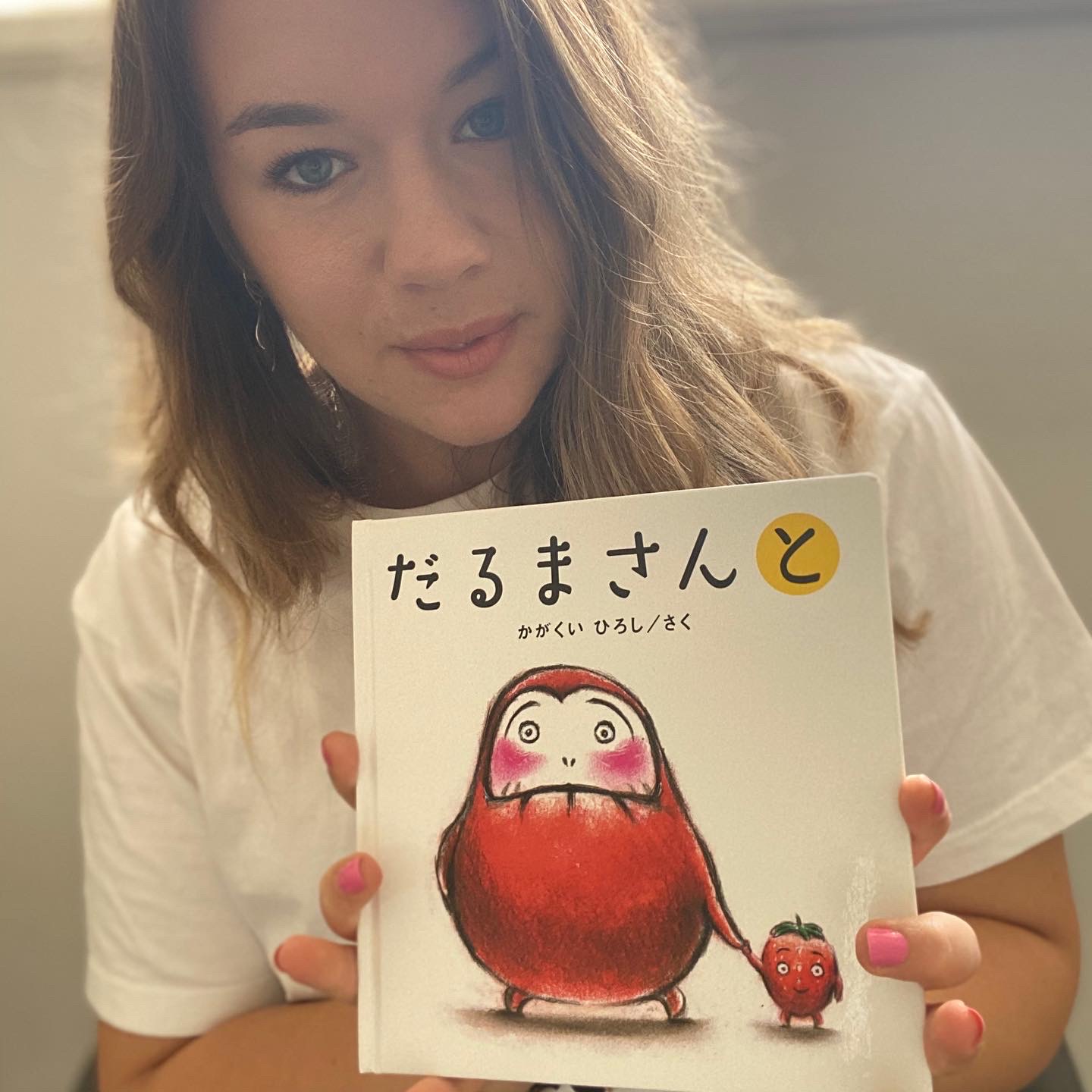
#9 だるまさんと (Darumasanto) – Hiroshi Kagakui

The Daruma-san series of books are seriously FAB. I really love them. For the younger kids, teaching ‘to’ as a simple linking particle to mean ‘and’ between two nouns (e.g. いぬうさぎ), this book is great. For the older kids or high school age students, even though this is a children’s book they still seem to love it and it really helps to drive the concept of ‘to’ home.

#8 だるまさんが (darumasanga) – Hiroshi Kagakui

Daruma-san ga is all about particle ‘ga’ – the subject marker. Now, I often find that teaching the difference between ‘wa’ and ‘ga’ can be a bit tricky, and therefore I don’t tend to do this in primary level Japanese BUT for the high school kids, it’s and important distinction to make and this is where this book comes in. Again, high school kids sometimes end up liking children’s books and, in my experience, the daruma-san series seems to be one of those things that they still enjoy.

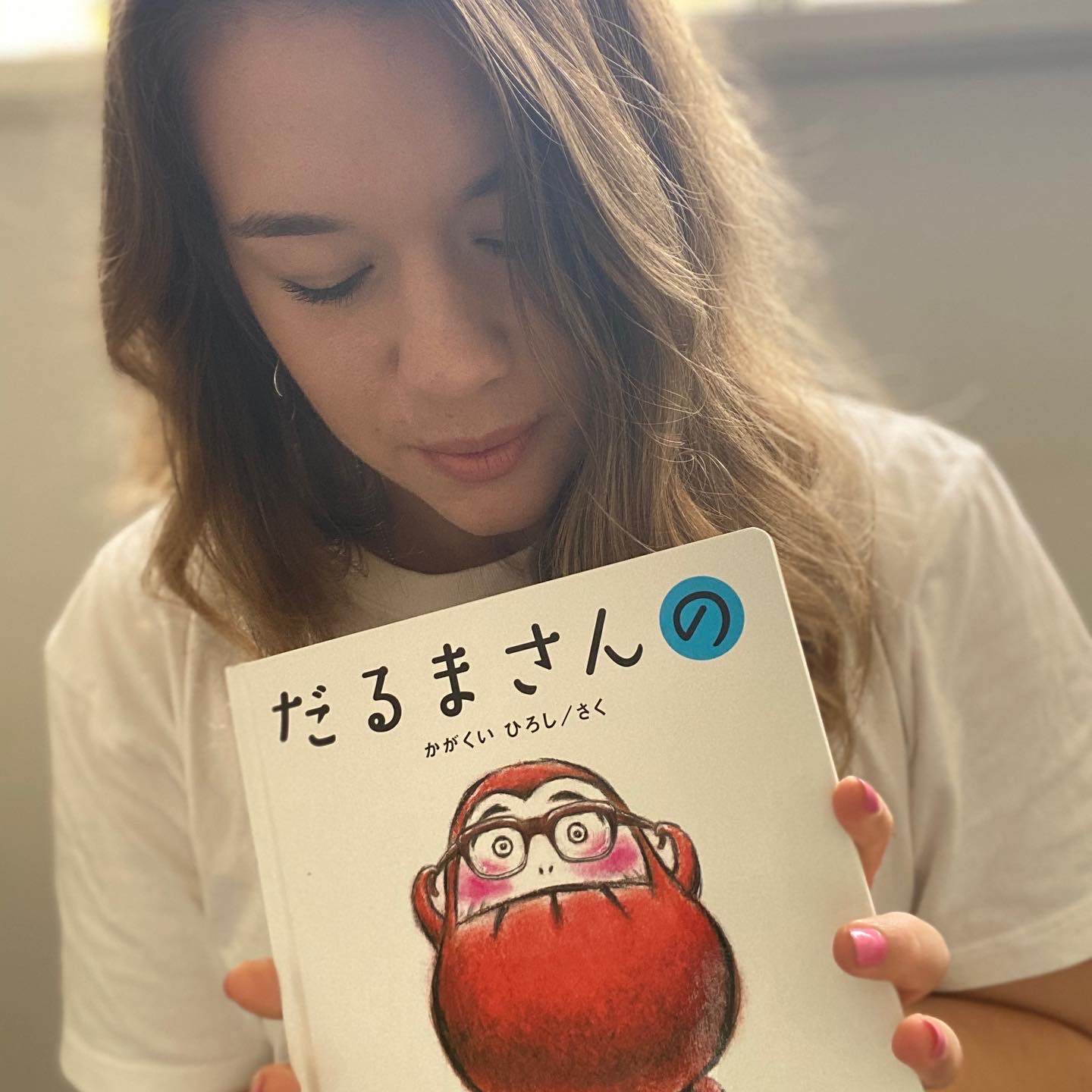
#7 だるまさんの (darumasanno) – Hiroshi Kagakui

Daruma-san no is all about that possessive particle ‘no’. I love teaching this concept to primary aged children, even though it can be tricky for them, the repetition in this books is excellent for driving home the point of the particle. One thing that I do with all the daruma-san books is I make sure to read the book first completely in Japanese and then discuss what students think the meaning of the specific particle is for each book. Allowing students to come to their own conclusions (and gently correcting or steering them in the right direction) generally means that they will remember it better. I use this book also with primary and secondary age students.

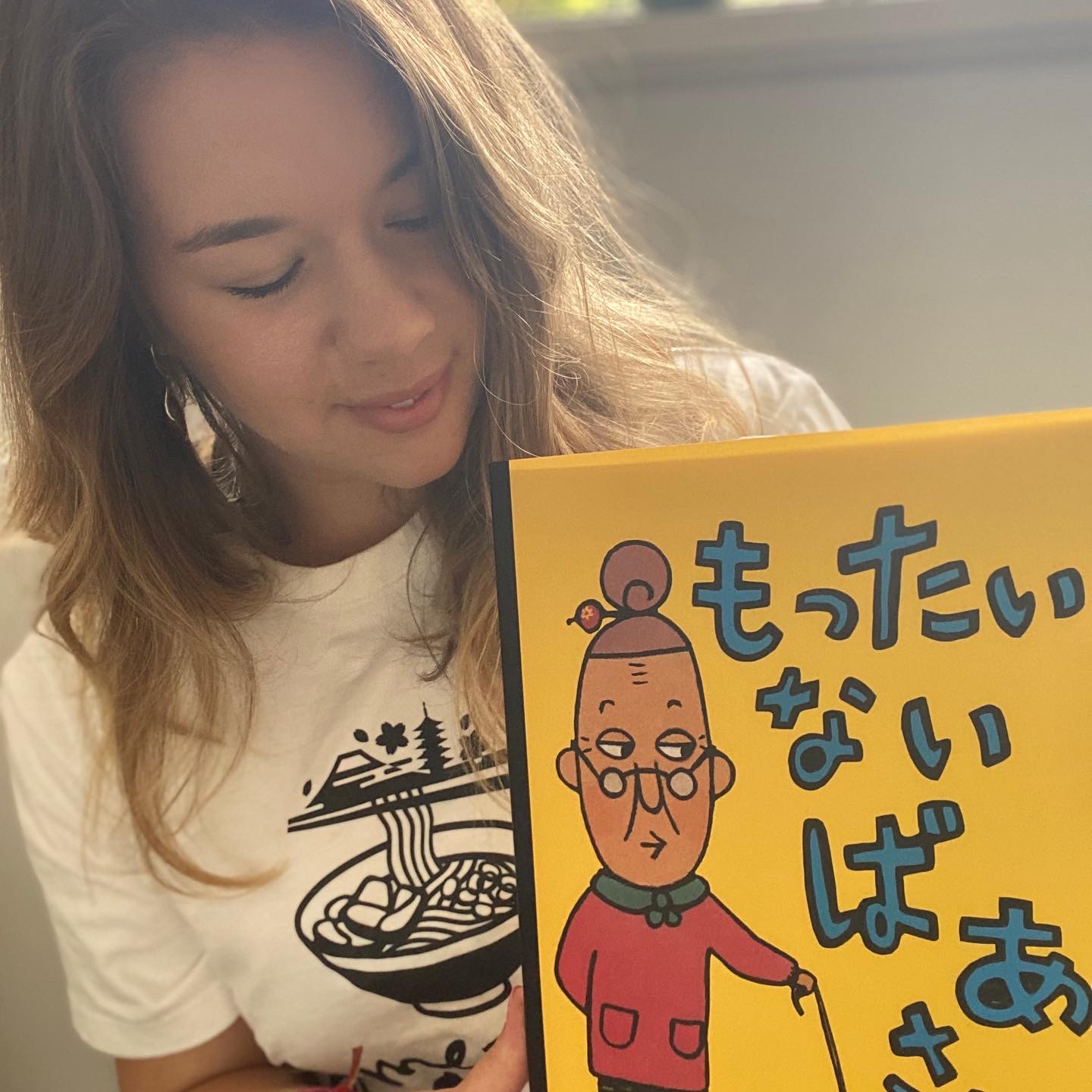
#6 もったいないばあさん (mottainaibaasan) – Mariko Shinju

Mottainai Grandma is a wonderful book that I use mainly for cultural purposes rather than language. We first read through the book and decide what Mottainai means (and come up with the best translation we can), and then discuss ways in which Japanese society and Australian society are embracing (or not!) ‘mottainai’. Something I love about Japanese language and that I try to impress on my students how great this is – is the fact that there are so many single words that impressively encapsulate and express an entire concept. Mottainai is one of those words! The fact that the book is quite funny as well also helps! I have only used this book with my primary level students but I don’t think the secondary kids would mind it, either.

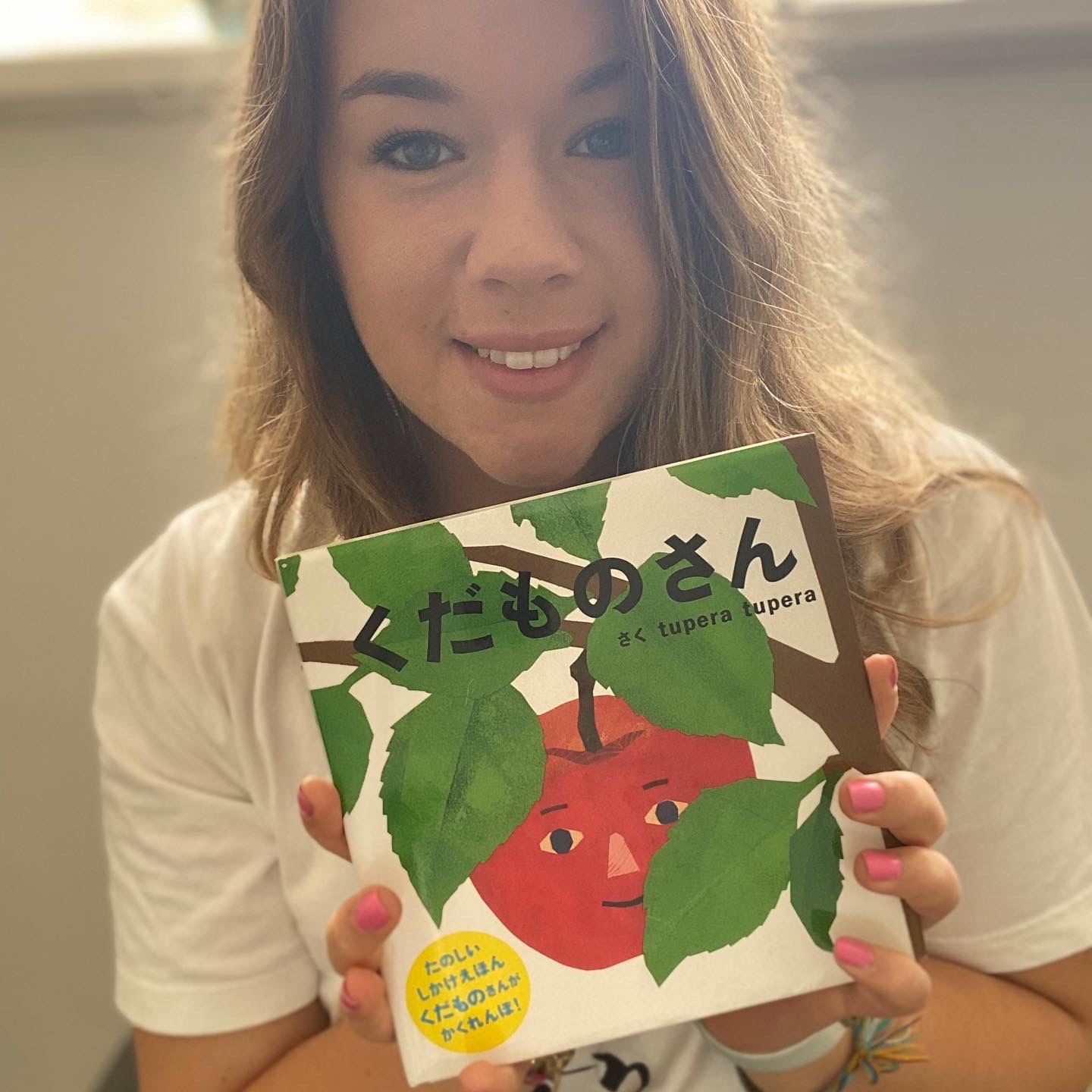
#5 くだものさん (kudamonosan) – Tuperatupera

Fruit-san (kudamono-san) is a flip book that I LOVE because not only does it have fruits familiar to Western kids, but it also has fruits that are more familiar in Japan, such as the spiky tree version of chestnuts! Kids love this flip book and enjoy joining in on the repetitive nature of the language (“くだものさん、くだものさんだあれ?”). It is also perfect when doing units on food.

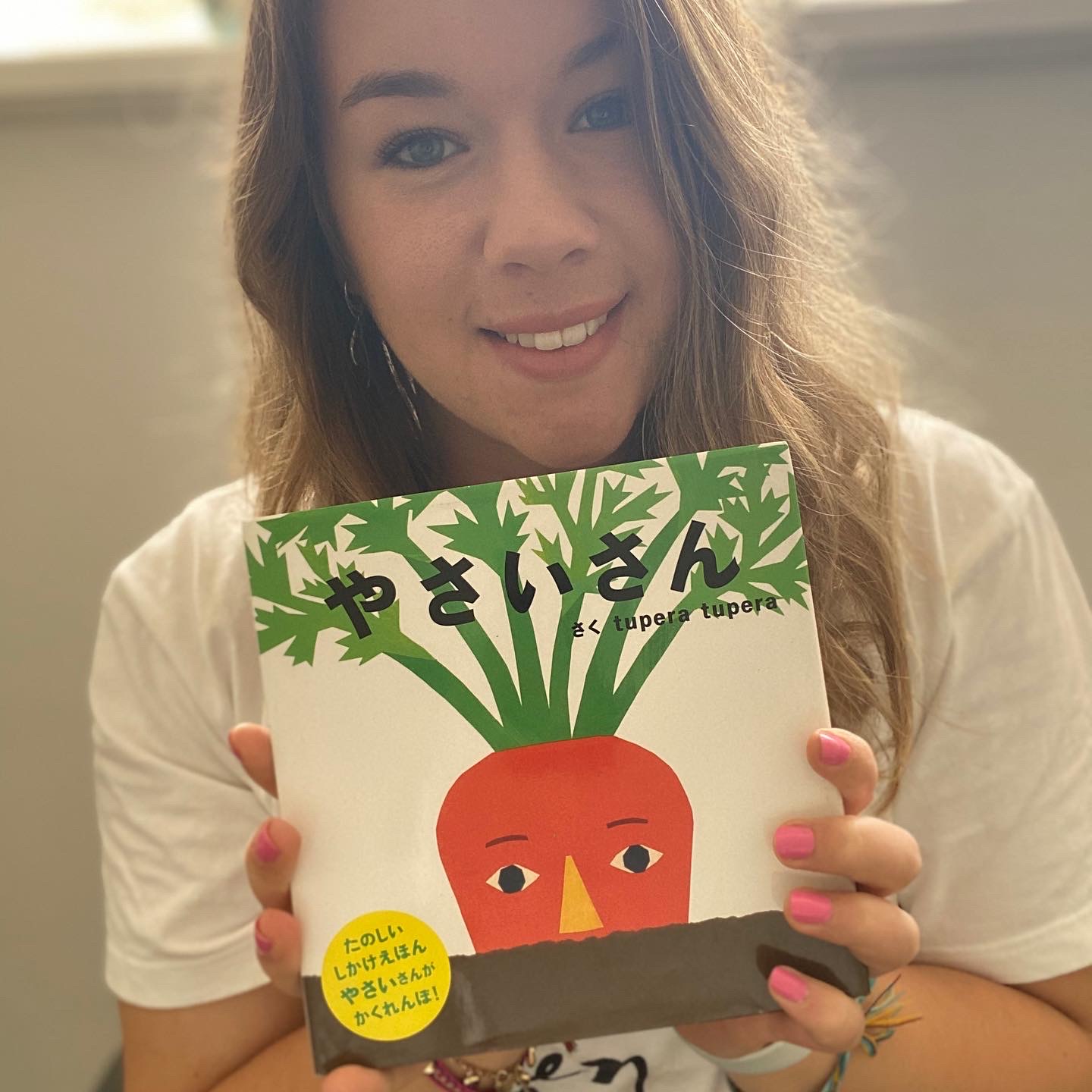
#4 やさいさん (yasaisan) – Tuperatupera

Vegetable-san (yasai-san), is just like kudamono-san but with vegetables. This one is even more interesting, introducing Aussie kids to things such as burdock root and taro!

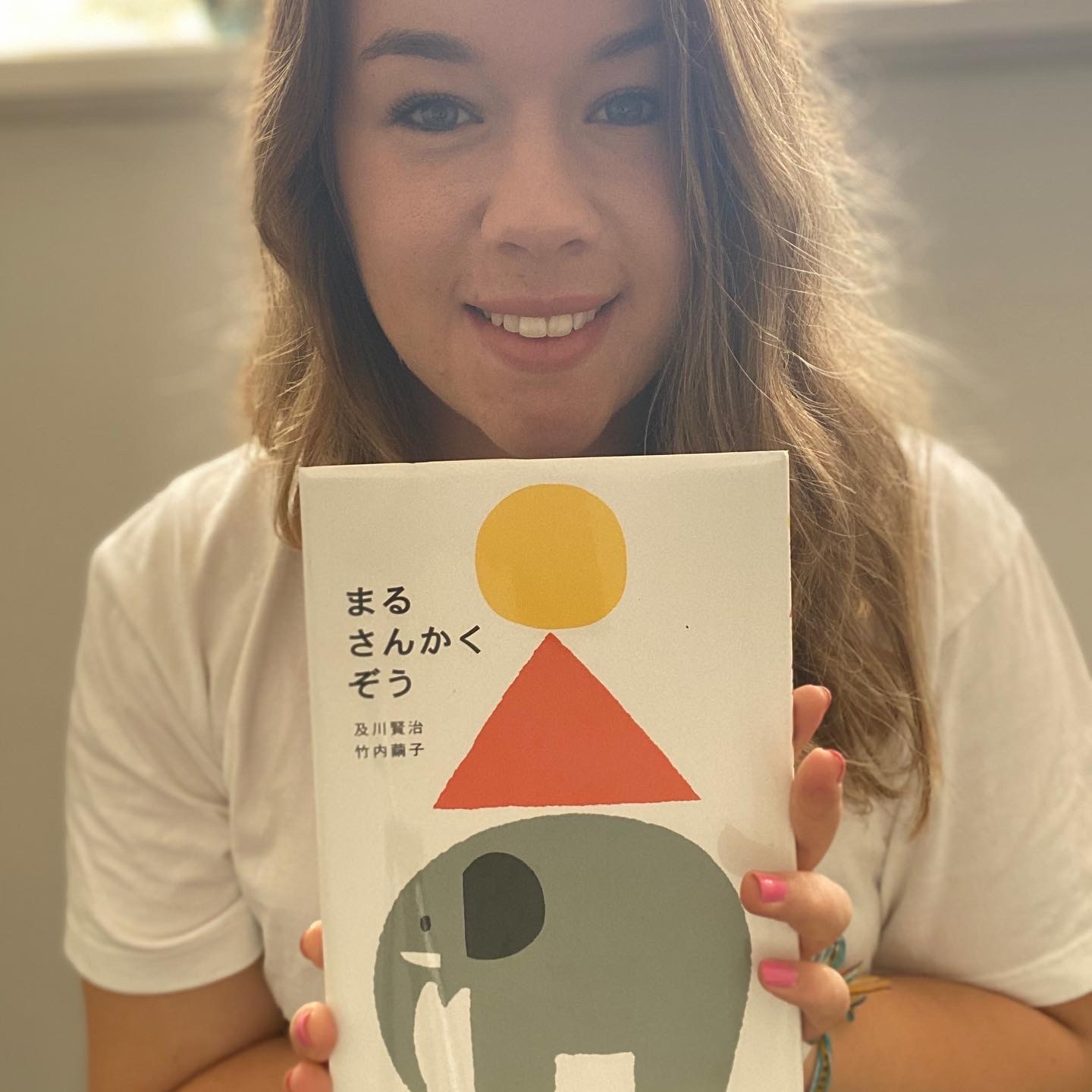
#3まる・さんかく・ぞう (maru,sankaku,zō) – Kenji Oikawa

This book is not really a story, it is a collection of repetitive nouns that are shapes, animals, transport. I use this book mostly with prep and grade one – students love to repeat each page after I’ve read it and listen to the sounds. Some are said in succession purposefully to sound funny (we all know how much kids love a bit of humour!). It’s a great way to introduce basic shapes and also move into describing them once your students know a bit of colour vocabulary and basic sentence structures (このまるはあおです。でも、そのまるはきいろです!). This books is great for speaking/pronunciation practice as well.

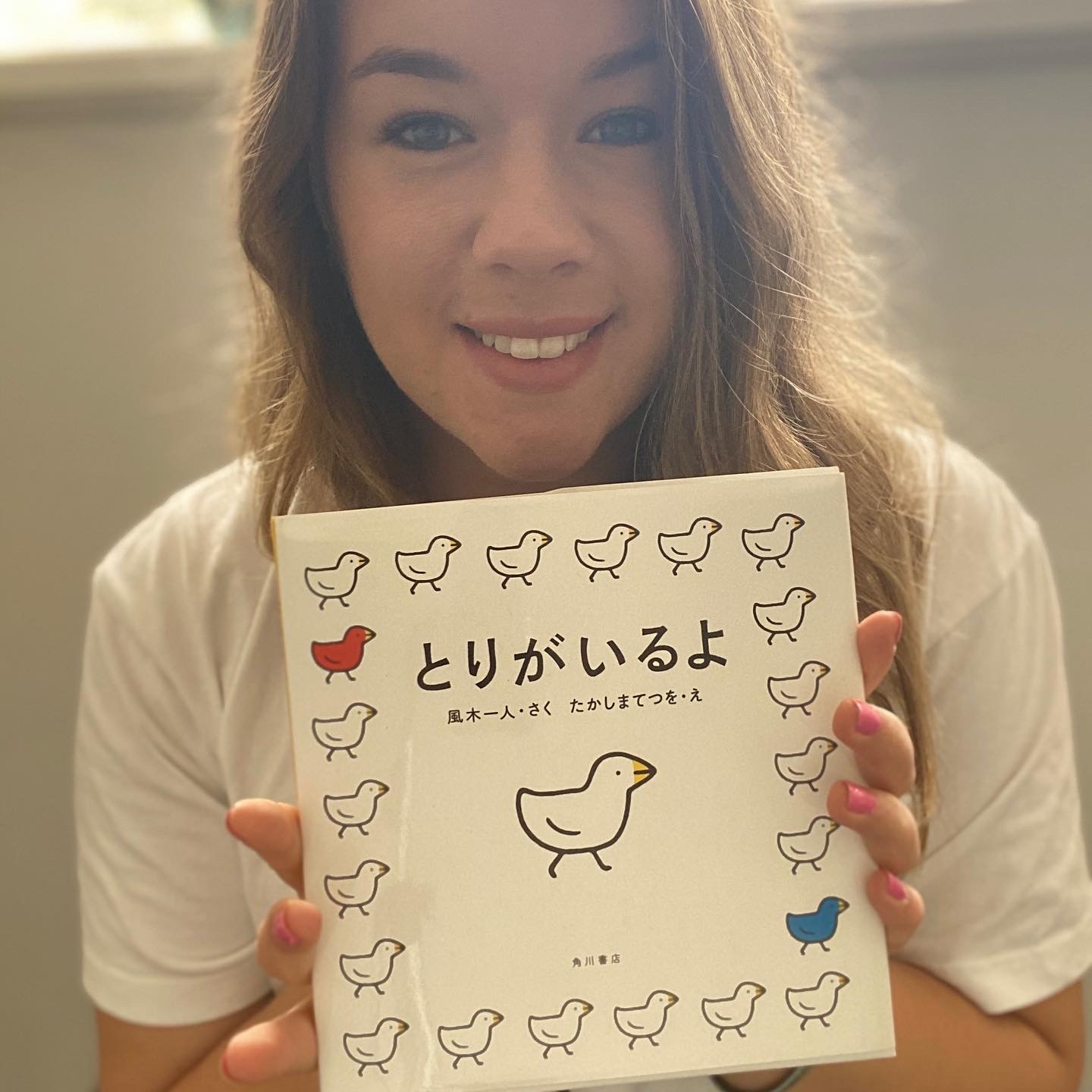
#2 とりがいるよ (torigairuyo) – 風木一人

There are birds! Is one of my all time favourite books for teaching Japanese. Firstly, there’s the birds, secondly, the cute and funny pictures, thirdly, the wonderfully simple sentences, fourthly the great variety of adjectives! Need I say more? This book is truly fab and can lead way to students creating their own book about anything (balls, dogs, zucchinis!) using a variety of different adjectives but based on the simple sentence structure present throughout the book. It’s a really fabulous way for students to create their own mini-books. This book has so many possibilities and, it even has a cute message – that we may all be different, but in the end we are all still birds (humans)!

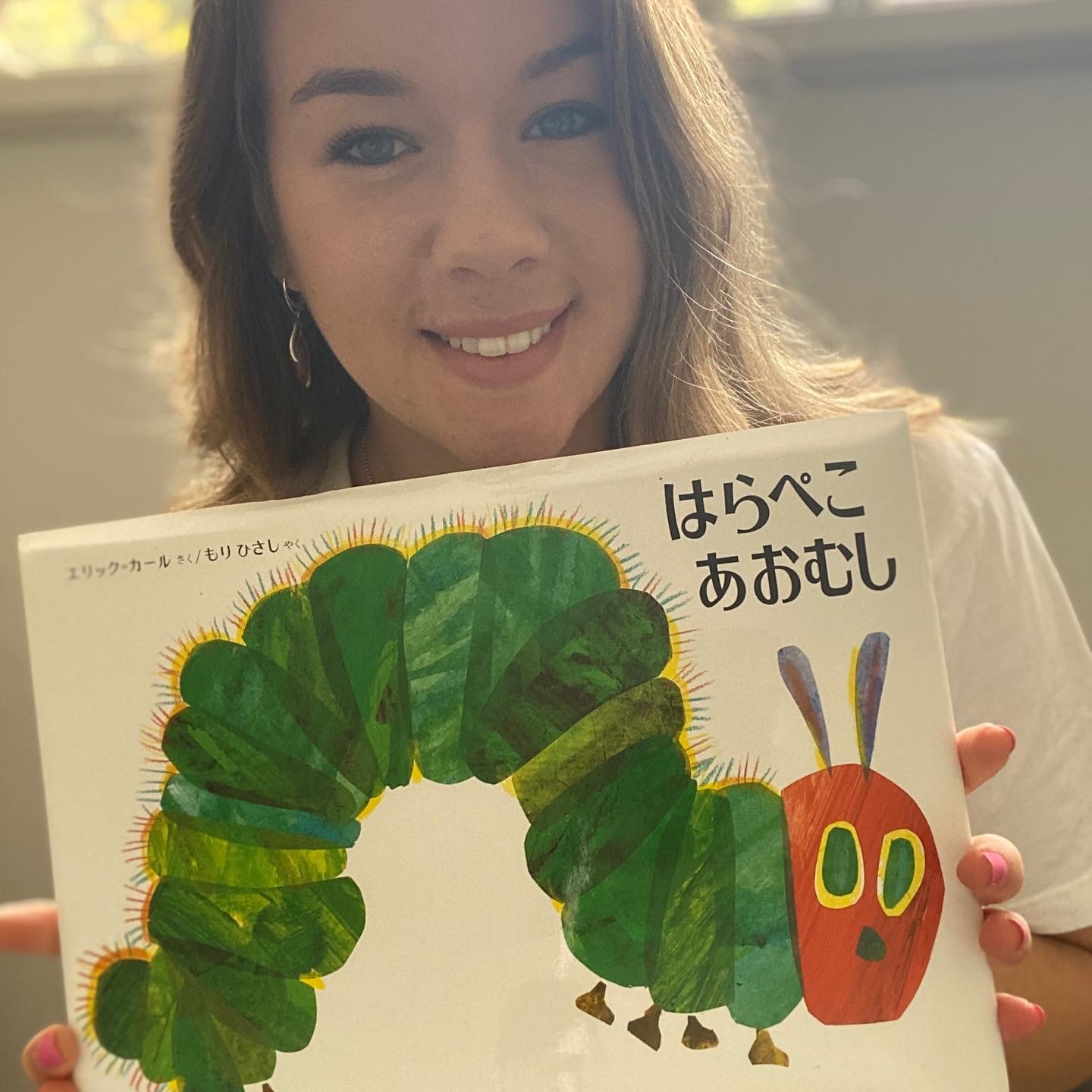
#1はらぺこあおむし (harapekoaomushi) – Eric Carle

The Very Hungry Caterpillar is an iconic book for language teachers around the world – translated into more than 60(!!) languages. This book contains so much vocabulary that, depending on your unit, you can choose a different aspect of the book (or multiple) to focus in on such as:

  • Days of the week
  • Life cycle of a butterfly
  • foods (borrowed words and Japanese origin words)
  • fruits
  • small object counters

I have used this book for each of the above different focuses and honestly, just to read as a bit of fun as just about every student in the classroom knows this book and loves it already!


I hope that this list has inspired you to build your language library – or given you some ideas on new ways to teach particular topics / subjects!

Visit your local language bookshop or online stores such as kinokuniya to find more rich literature to bolster your teacher library.