Effective and engaging language teaching is all about providing our students with authentic opportunities to both learn and use their target language. One way that I love to do this in the classroom is via rich literature. Children’s books by their very nature often contain some sort of language learning component to them – counting, days of the week, foods, animals, colours, adjectives, sentence patterns – you name it! I use books not only for teaching language, but also as something that my students can look at for their own leisure and enjoyment. It can even be a way for them to practice finding hiragana characters that they are familiar with!
This blog post outlines some of my most favourite books to have in my Japanese classroom! Scroll through the photos below to see the covers of the books. Most, if not all, of these books can be found online at Kinokuniya which is a fabulous bookshop (specialising in Japanese books but they stock many different language books as well), in Sydney.
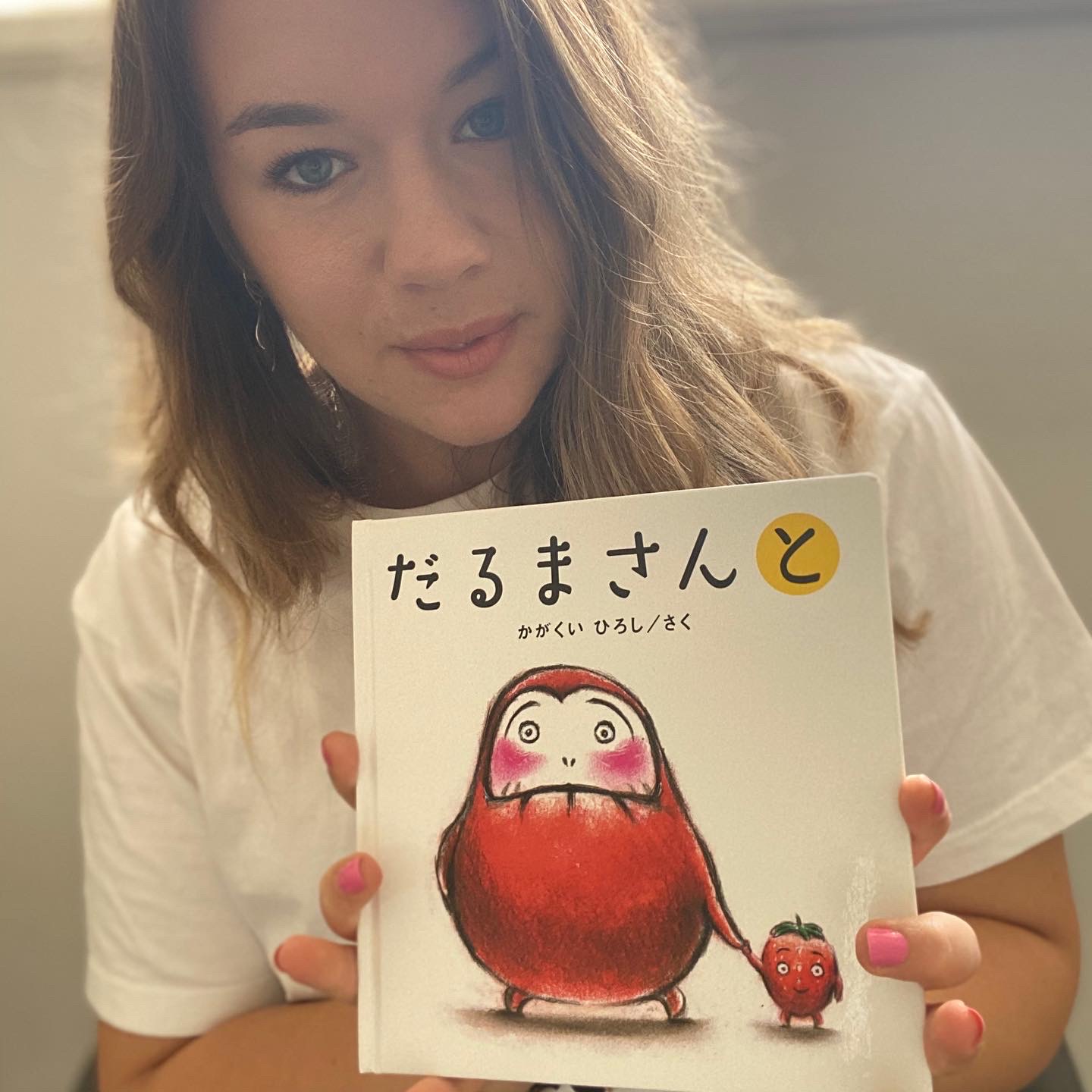

#9 だるまさんと (Darumasanto) – Hiroshi Kagakui
The Daruma-san series of books are seriously FAB. I really love them. For the younger kids, teaching ‘to’ as a simple linking particle to mean ‘and’ between two nouns (e.g. いぬとうさぎ), this book is great. For the older kids or high school age students, even though this is a children’s book they still seem to love it and it really helps to drive the concept of ‘to’ home.
#8 だるまさんが (darumasanga) – Hiroshi Kagakui
Daruma-san ga is all about particle ‘ga’ – the subject marker. Now, I often find that teaching the difference between ‘wa’ and ‘ga’ can be a bit tricky, and therefore I don’t tend to do this in primary level Japanese BUT for the high school kids, it’s and important distinction to make and this is where this book comes in. Again, high school kids sometimes end up liking children’s books and, in my experience, the daruma-san series seems to be one of those things that they still enjoy.
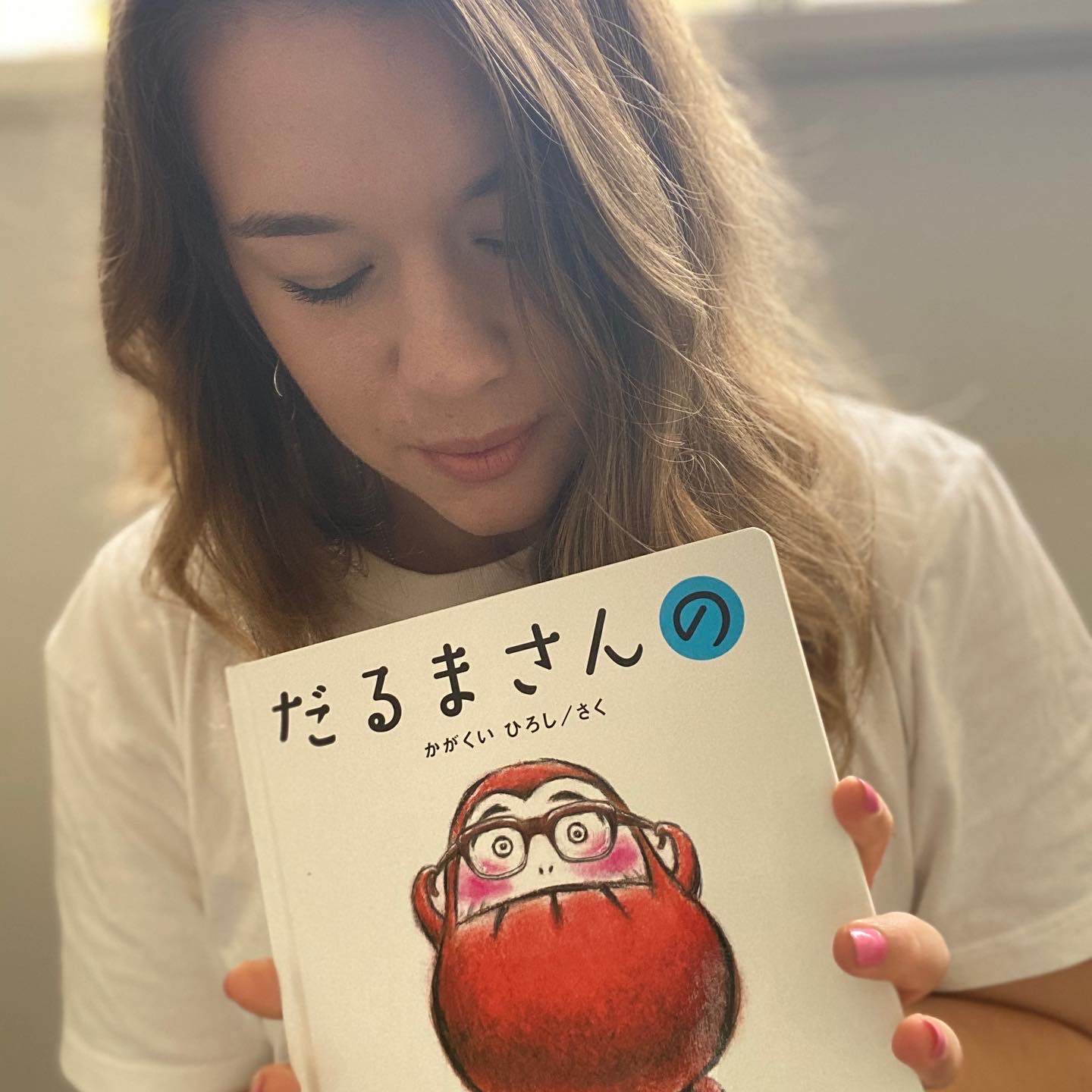
#7 だるまさんの (darumasanno) – Hiroshi Kagakui
Daruma-san no is all about that possessive particle ‘no’. I love teaching this concept to primary aged children, even though it can be tricky for them, the repetition in this books is excellent for driving home the point of the particle. One thing that I do with all the daruma-san books is I make sure to read the book first completely in Japanese and then discuss what students think the meaning of the specific particle is for each book. Allowing students to come to their own conclusions (and gently correcting or steering them in the right direction) generally means that they will remember it better. I use this book also with primary and secondary age students.
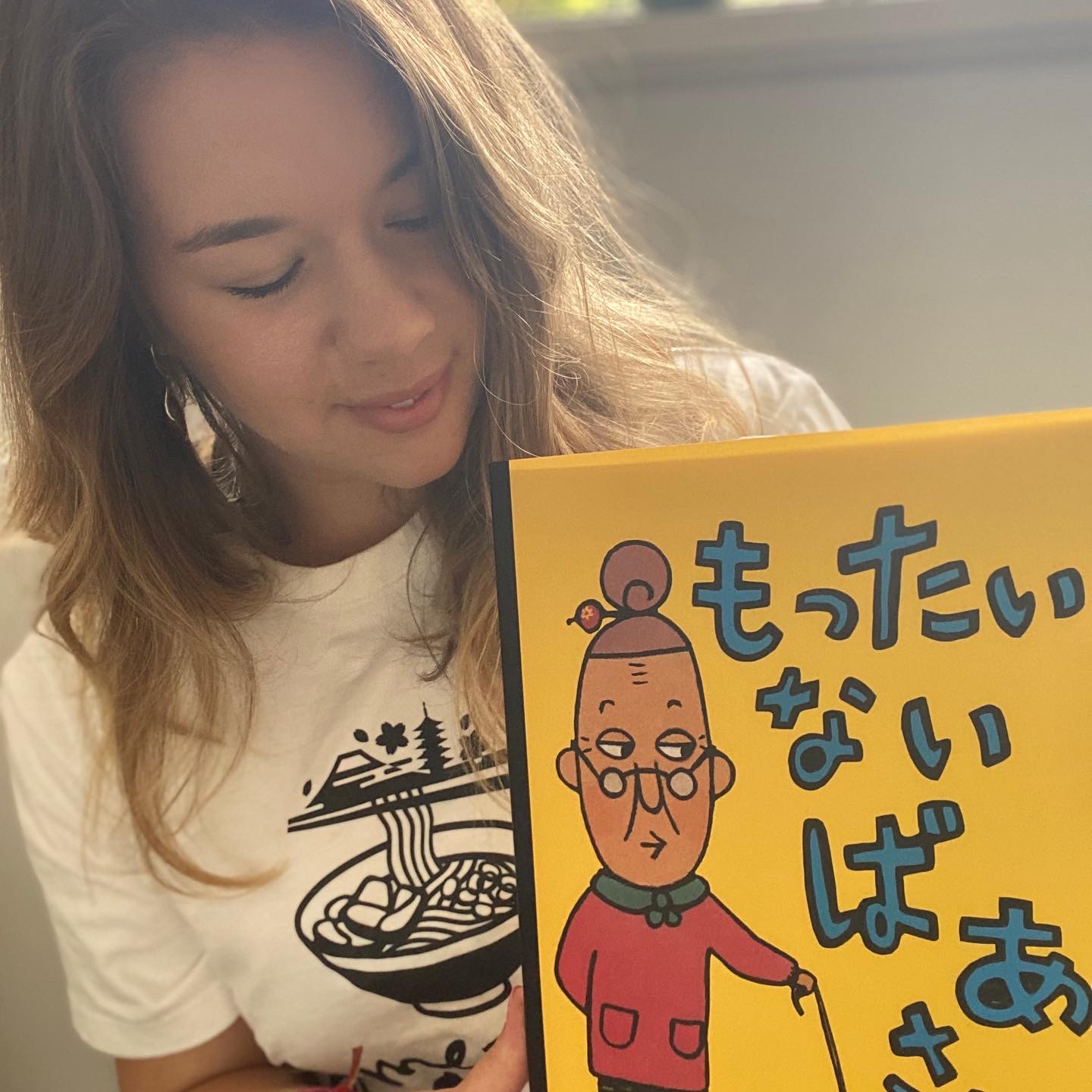
#6 もったいないばあさん (mottainaibaasan) – Mariko Shinju
Mottainai Grandma is a wonderful book that I use mainly for cultural purposes rather than language. We first read through the book and decide what Mottainai means (and come up with the best translation we can), and then discuss ways in which Japanese society and Australian society are embracing (or not!) ‘mottainai’. Something I love about Japanese language and that I try to impress on my students how great this is – is the fact that there are so many single words that impressively encapsulate and express an entire concept. Mottainai is one of those words! The fact that the book is quite funny as well also helps! I have only used this book with my primary level students but I don’t think the secondary kids would mind it, either.
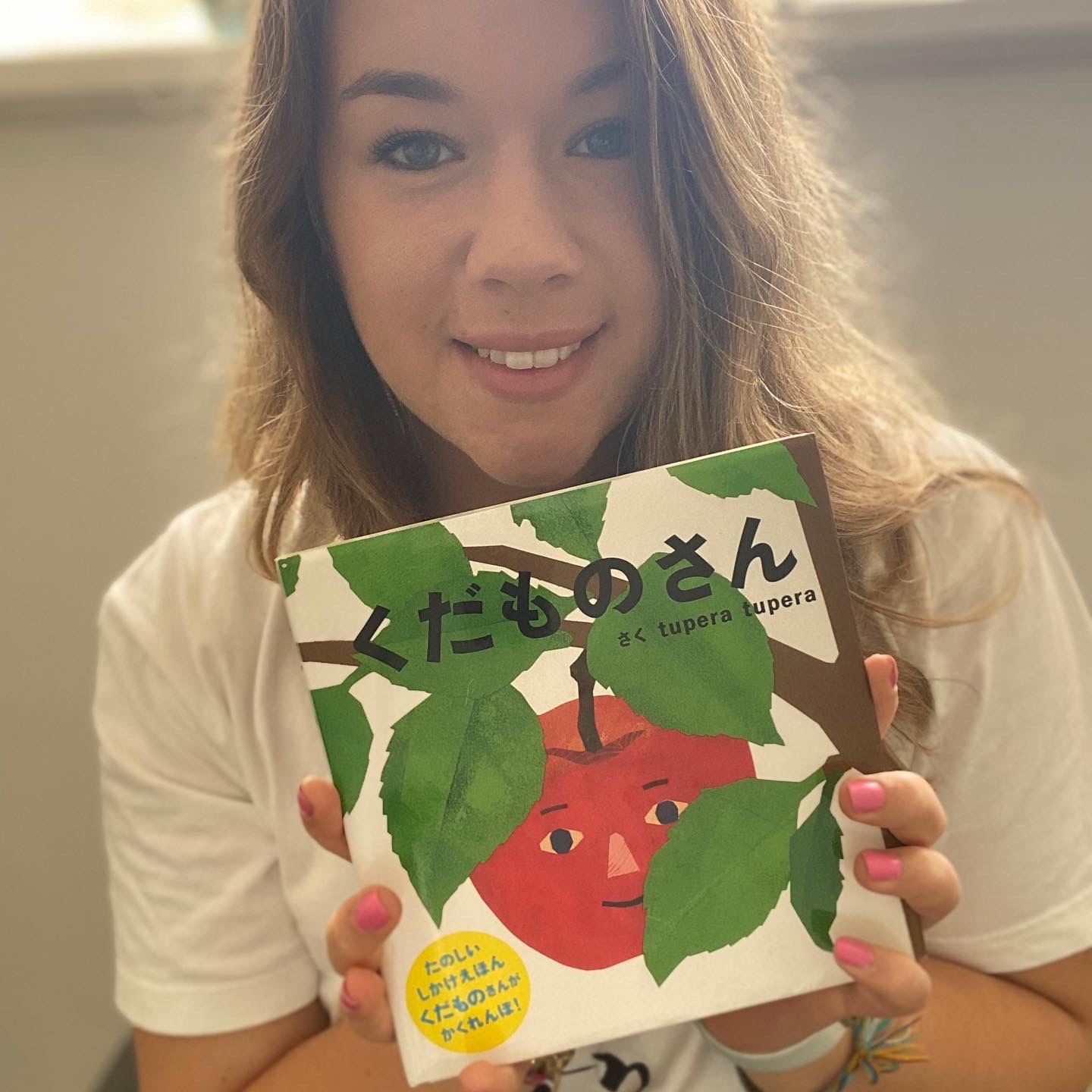
#5 くだものさん (kudamonosan) – Tuperatupera
Fruit-san (kudamono-san) is a flip book that I LOVE because not only does it have fruits familiar to Western kids, but it also has fruits that are more familiar in Japan, such as the spiky tree version of chestnuts! Kids love this flip book and enjoy joining in on the repetitive nature of the language (“くだものさん、くだものさんだあれ?”). It is also perfect when doing units on food.
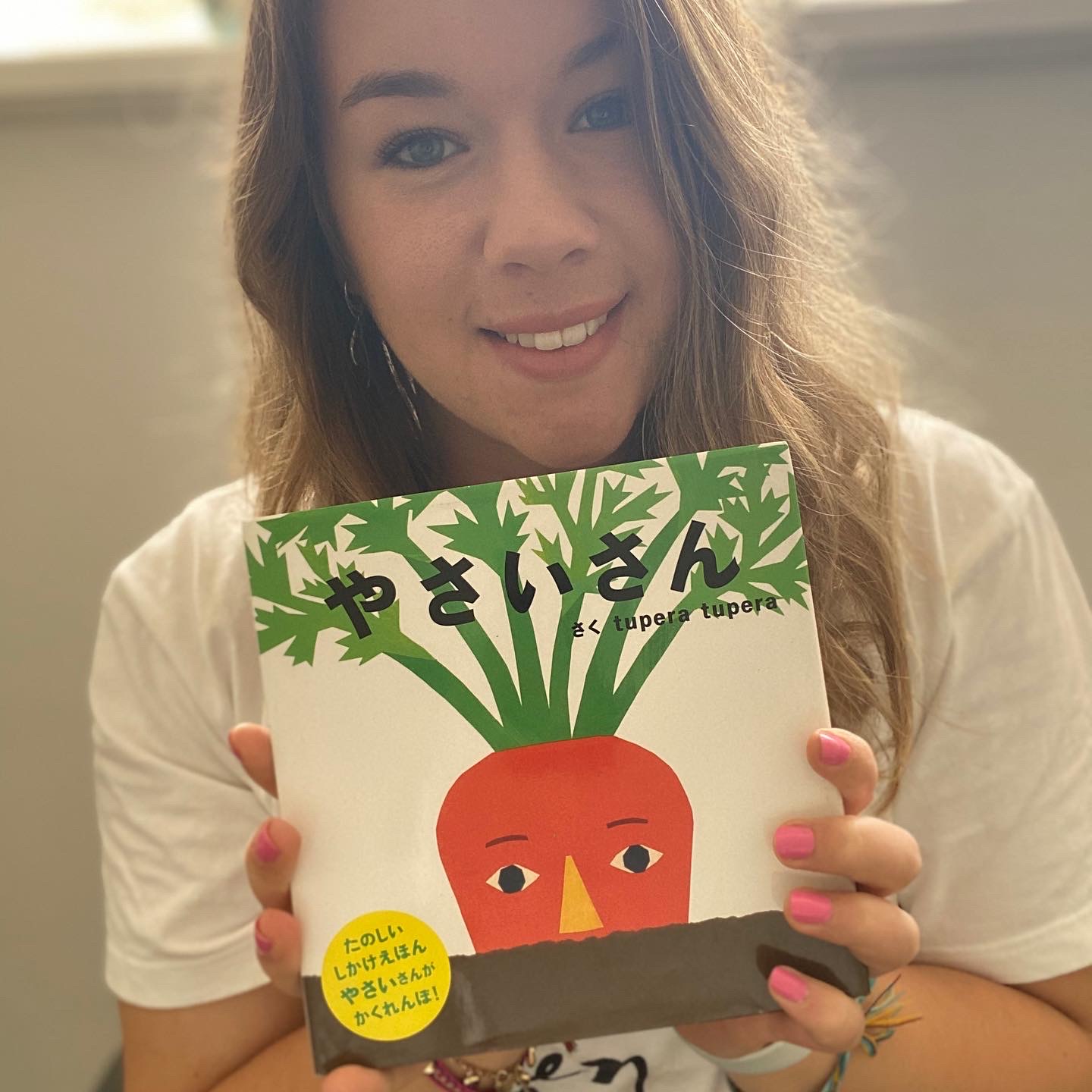
#4 やさいさん (yasaisan) – Tuperatupera
Vegetable-san (yasai-san), is just like kudamono-san but with vegetables. This one is even more interesting, introducing Aussie kids to things such as burdock root and taro!
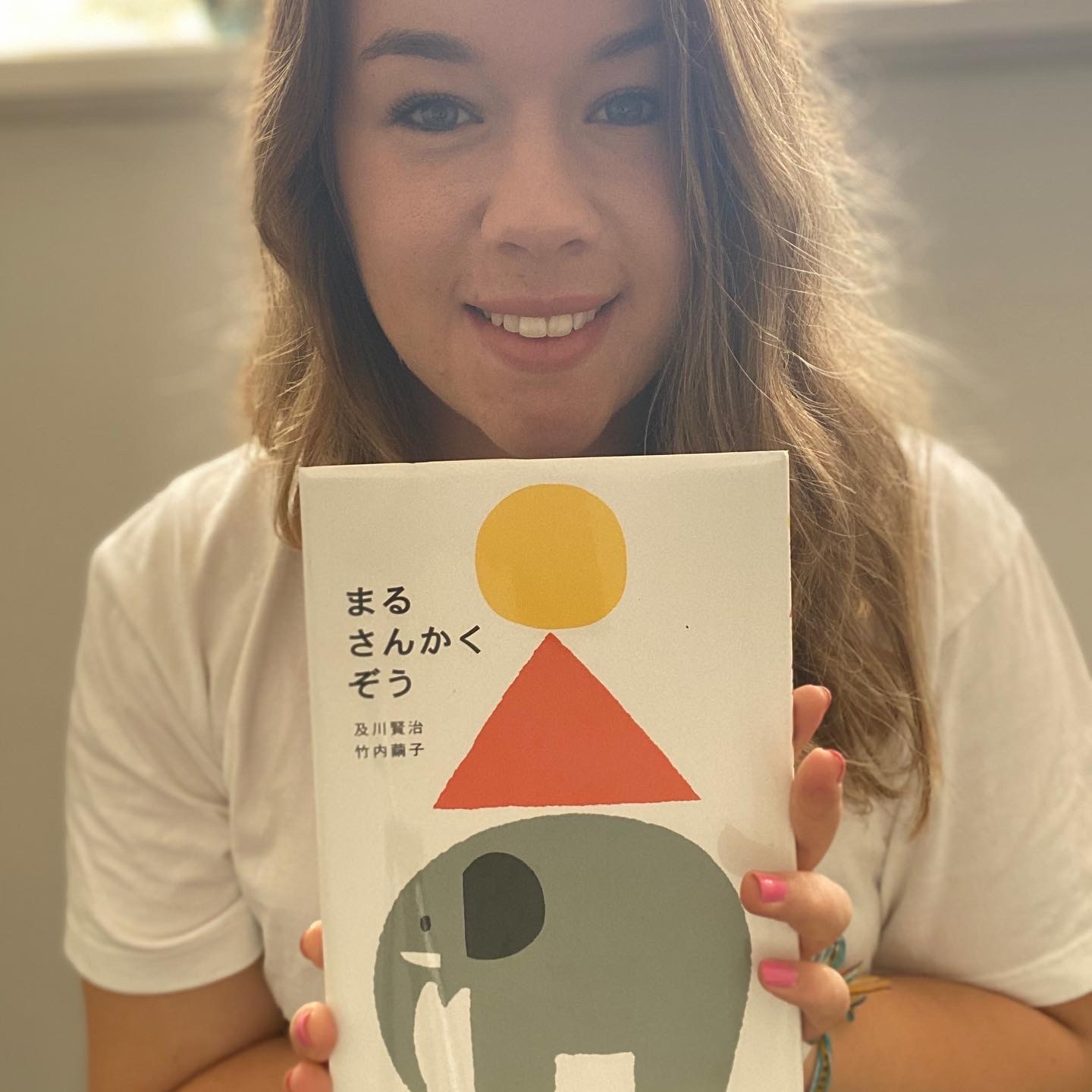
#3まる・さんかく・ぞう (maru,sankaku,zō) – Kenji Oikawa
This book is not really a story, it is a collection of repetitive nouns that are shapes, animals, transport. I use this book mostly with prep and grade one – students love to repeat each page after I’ve read it and listen to the sounds. Some are said in succession purposefully to sound funny (we all know how much kids love a bit of humour!). It’s a great way to introduce basic shapes and also move into describing them once your students know a bit of colour vocabulary and basic sentence structures (このまるはあおです。でも、そのまるはきいろです!). This books is great for speaking/pronunciation practice as well.
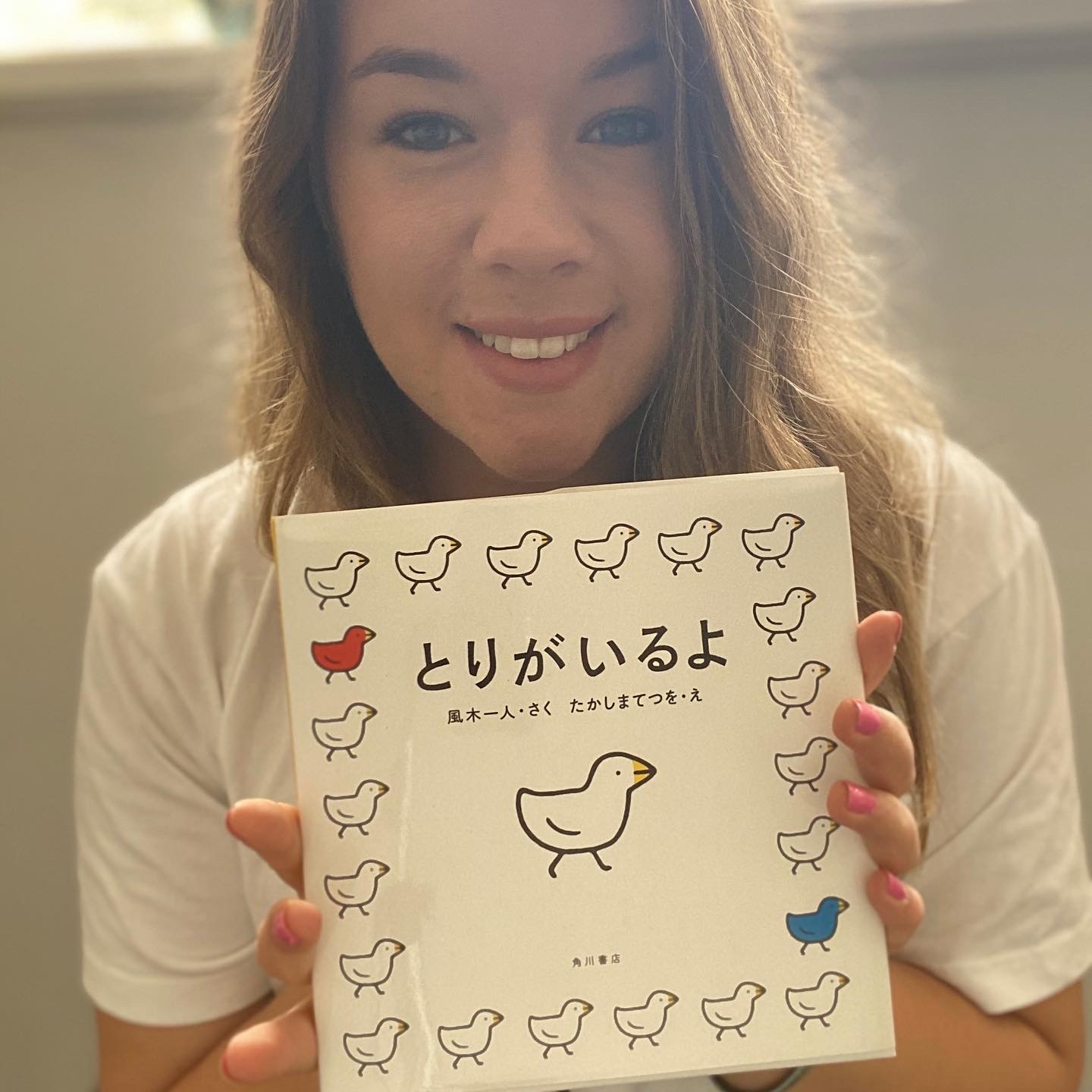
#2 とりがいるよ (torigairuyo) – 風木一人
There are birds! Is one of my all time favourite books for teaching Japanese. Firstly, there’s the birds, secondly, the cute and funny pictures, thirdly, the wonderfully simple sentences, fourthly the great variety of adjectives! Need I say more? This book is truly fab and can lead way to students creating their own book about anything (balls, dogs, zucchinis!) using a variety of different adjectives but based on the simple sentence structure present throughout the book. It’s a really fabulous way for students to create their own mini-books. This book has so many possibilities and, it even has a cute message – that we may all be different, but in the end we are all still birds (humans)!
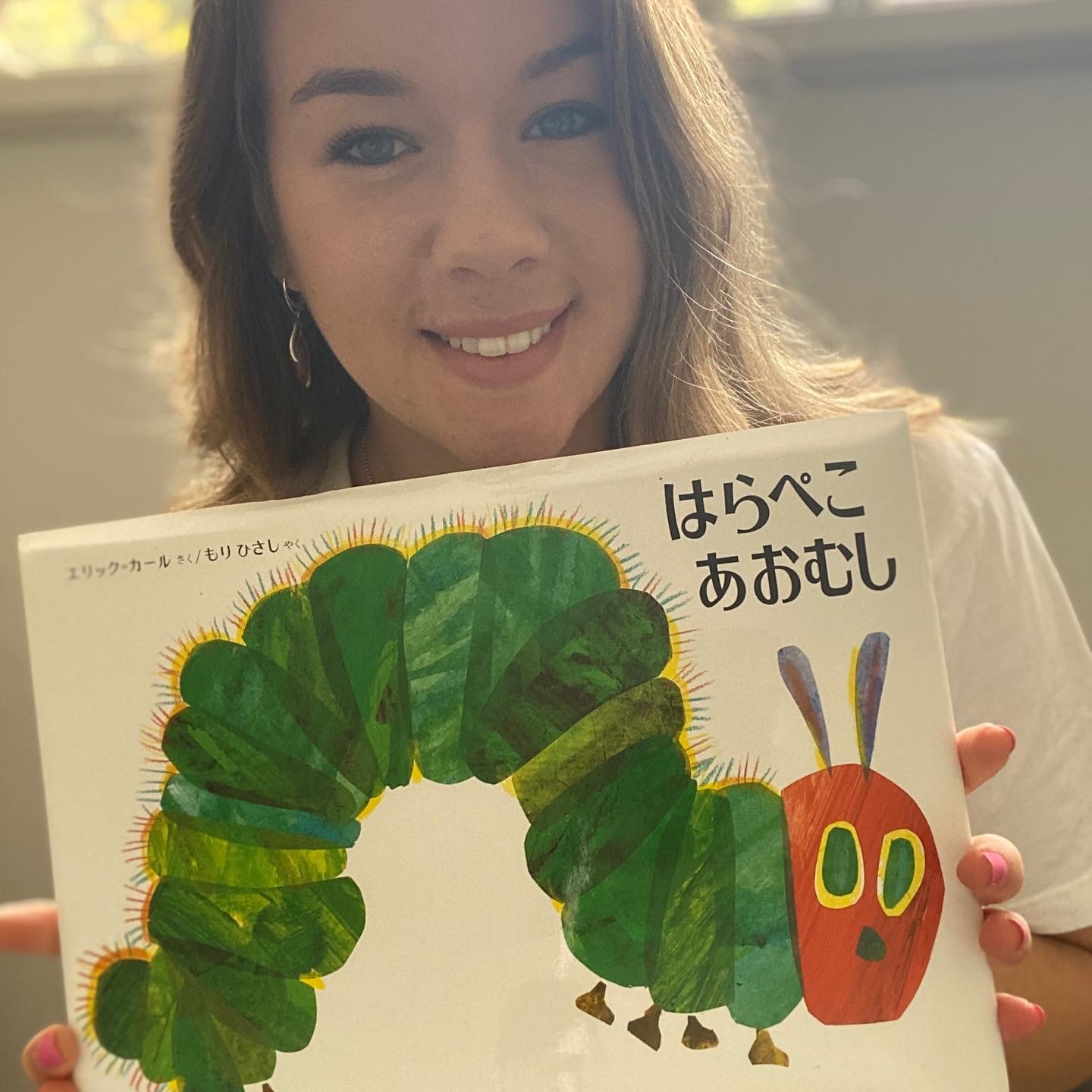
#1はらぺこあおむし (harapekoaomushi) – Eric Carle
The Very Hungry Caterpillar is an iconic book for language teachers around the world – translated into more than 60(!!) languages. This book contains so much vocabulary that, depending on your unit, you can choose a different aspect of the book (or multiple) to focus in on such as:
- Days of the week
- Life cycle of a butterfly
- foods (borrowed words and Japanese origin words)
- fruits
- small object counters
I have used this book for each of the above different focuses and honestly, just to read as a bit of fun as just about every student in the classroom knows this book and loves it already!
I hope that this list has inspired you to build your language library – or given you some ideas on new ways to teach particular topics / subjects!
Visit your local language bookshop or online stores such as kinokuniya to find more rich literature to bolster your teacher library.
 Teaching Lingo
2 thoughts on “9 of the best books every Japanese teacher should have in their library”